Features
The Next Phase of OG Network Is About Control, Not Clout
As OG Network enters its next phase, the focus is ownership, infrastructure, and long-term cultural leverage.
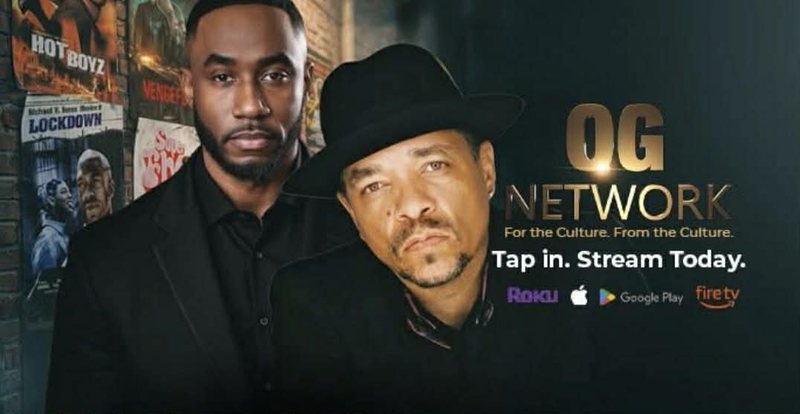
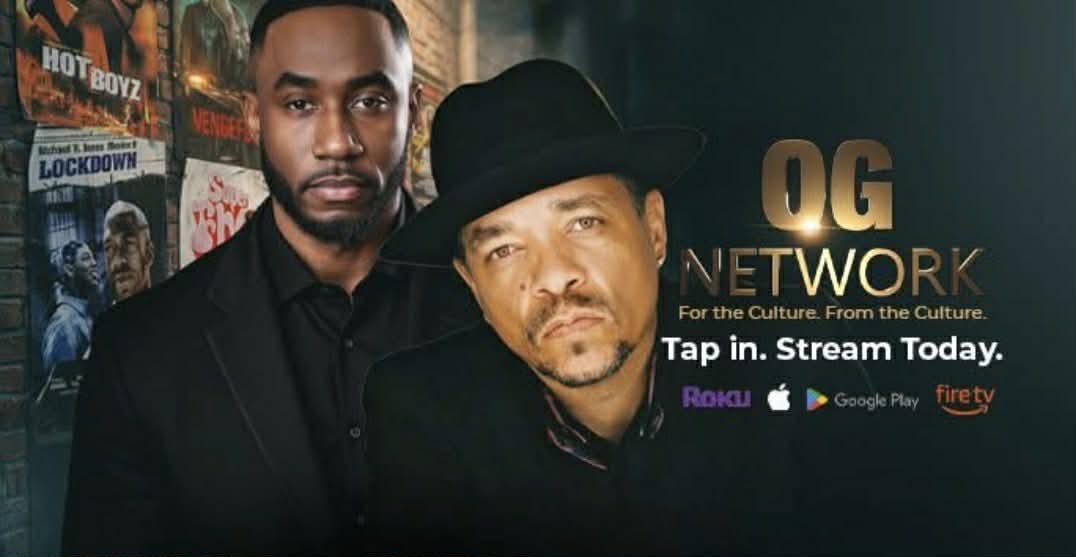
In a media landscape driven by visibility, it’s easy to mistake attention for progress. Platforms rise fast, trend for a moment, and disappear just as quickly. OG Network is moving in the opposite direction. Instead of chasing clout, its next phase is focused on something quieter—but far more powerful: control.
This shift isn’t about scaling headlines or viral moments. It’s about ownership, infrastructure, and long-term positioning. As OG Network continues to grow, the strategy becoming clearer is one rooted in leverage rather than validation—and that difference may define not just the platform’s future, but what sustainable urban media looks like going forward.
Why Clout Was Never the Goal
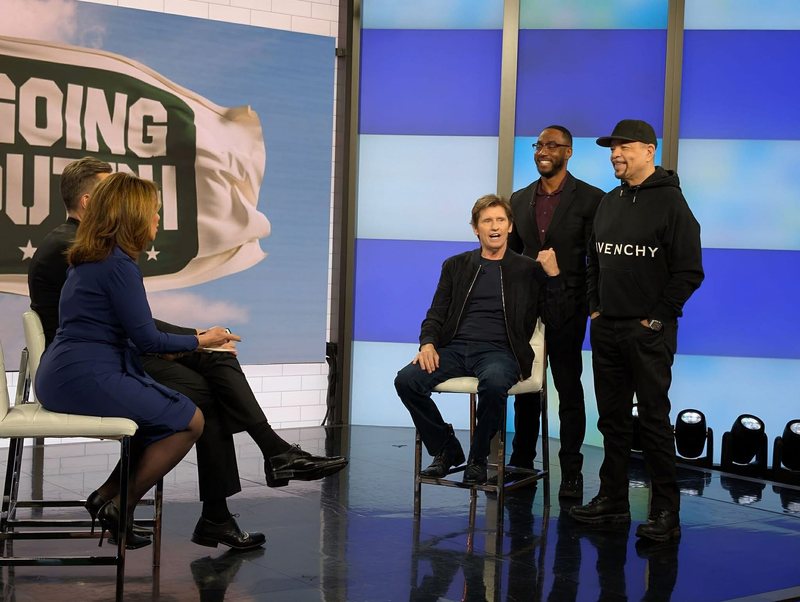
From the outside, it’s easy to assume every new platform is chasing attention first. Big names. Viral moments. A spike in headlines that feels like momentum.
But from the beginning, OG Network has been moving with a different priority—one that doesn’t always show up immediately on social timelines.
Clout creates visibility, but it doesn’t create leverage. It’s temporary, rented, and usually dependent on someone else’s platform rules. OG Network’s early moves shows an understanding that attention without control eventually runs out.
Instead of racing to dominate conversation, the focus has been on building something that doesn’t collapse when the noise shifts elsewhere.
That decision shows restraint, especially in a media landscape addicted to instant validation. It’s harder to grow quietly. Harder to pass on flashy moments that don’t align with long-term goals. But clout fades fast, while infrastructure compounds. Ownership, distribution, and access don’t trend—but they last.
By not leading with spectacle, OG Network avoided becoming a moment. The strategy was patience over popularity, positioning over perception. And as the platform enters its next phase, that early discipline is starting to look less like caution and more like foresight.
Ownership as Strategy, Not a Buzzword
In conversations about media, “ownership” often gets tossed around like a slogan. It sounds good, signals empowerment, and usually stops there. What separates OG Network from that surface-level talk is how deliberately ownership is treated as strategy, not branding.
Control over a platform changes everything downstream. It determines who gets greenlit, how stories are framed, and what happens when content doesn’t fit a mainstream mold. Instead of relying on outside distributors or chasing licensing deals that can disappear overnight, OG Network’s model centers on keeping decision-making in-house. That’s not about ideology—it’s about leverage.
When creators don’t own distribution, they’re always negotiating from a weaker position. Timelines shift. Narratives get softened. Entire projects get shelved because they don’t align with someone else’s priorities. Ownership removes that friction. It allows the platform to move intentionally, choosing longevity over quick wins and cultural relevance over algorithm approval.
This approach also signals confidence. You don’t prioritize control unless you’re planning to be around for a while. OG Network’s emphasis on ownership suggests a long view—one where sustainability matters more than applause, and where the ability to say “no” is just as important as the ability to say “yes.”
Leadership That Understands the Cost of Access
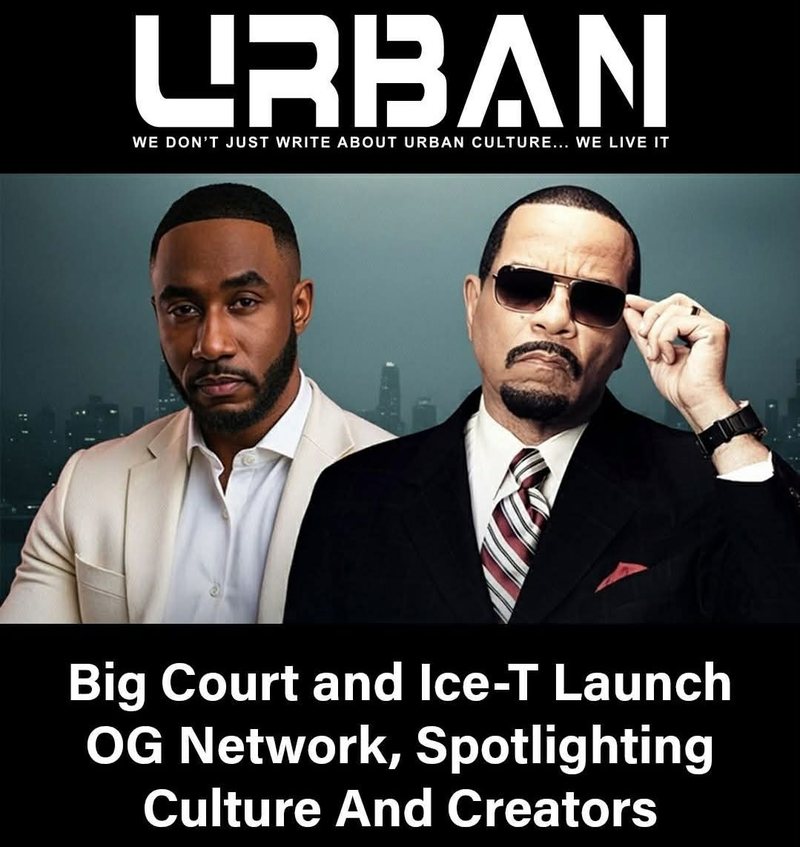
One of the quiet advantages OG Network has is leadership that doesn’t romanticize access. The people steering the platform understand that getting in the door has often come with strings attached—creative compromises, ownership concessions, and narratives reshaped to fit someone else’s comfort level.
That perspective only comes from experience. When leadership has lived through systems where visibility was conditional, the value of control becomes clear. You stop mistaking opportunity for equity. You stop confusing inclusion with power. And you build differently because you know what it costs to rely on platforms you don’t own.
This is where OG Network’s approach feels intentional rather than performative.
Leadership isn’t positioned as celebrity window dressing or brand validation. It’s operational. Decisions are informed by an understanding of how easily culture gets extracted once it becomes profitable, and how rarely that value flows back to the people who created it.
By grounding the platform in leadership that recognizes those trade-offs, OG Network avoids repeating familiar cycles. Access is treated as a tool, not a prize. And that mindset shapes everything—from content choices to partnerships to how growth is measured. It’s less about being invited in, and more about building something that doesn’t require permission in the first place.
Building Infrastructure Instead of Moments
Most platforms are built around moments—launch announcements, viral clips, short bursts of attention meant to signal relevance. Infrastructure works differently. It doesn’t announce itself loudly, and it doesn’t rely on constant validation to function. That distinction is where OG Network continues to separate itself.
Instead of chasing subscription hype or splashy exclusives, the focus has been on systems that scale quietly. A FAST and AVOD model lowers the barrier to entry, making content accessible without asking audiences to commit financially just to participate. That choice prioritizes reach and longevity over quick revenue spikes—and it aligns with a platform thinking in terms of years, not quarters.
Infrastructure also means reliability. Content libraries that grow steadily.
Distribution that doesn’t hinge on one app store or algorithm. A platform that creators can plan around, rather than one that constantly pivots to chase attention. These aren’t exciting talking points, but they’re what allow a network to survive shifts in taste, technology, and culture.
By investing in foundation rather than flash, OG Network is building something that can absorb growth without losing direction. Moments come and go. Infrastructure determines what’s still standing when they pass.
Why Control Changes the Type of Content That Gets Made
When a platform controls its own distribution, the content immediately shifts. There’s less pressure to chase algorithms, soften edges, or package stories for approval. That freedom is where OG Network starts to show its real intention.
Control creates room for specificity. Instead of asking whether a story will “play everywhere,” the question becomes whether it’s honest, grounded, and worth preserving. That’s how documentaries, regional histories, and culturally specific narratives find space—content that usually struggles to survive in environments driven by mass appeal and quick metrics.
It also changes pacing. Not every project has to perform instantly or trend immediately to justify its existence. Stories are allowed to grow into their audience rather than fight for attention in the first 48 hours. That patience encourages depth over spectacle and substance over shock.
Over time, this approach reshapes expectations. Creators don’t feel pushed to exaggerate or dilute their work to stay visible. Viewers don’t feel trained to expect constant escalation. Control slows the cycle down—and in doing so, it creates a catalog that feels intentional instead of reactive.
The Long-Term Vision for OG Network
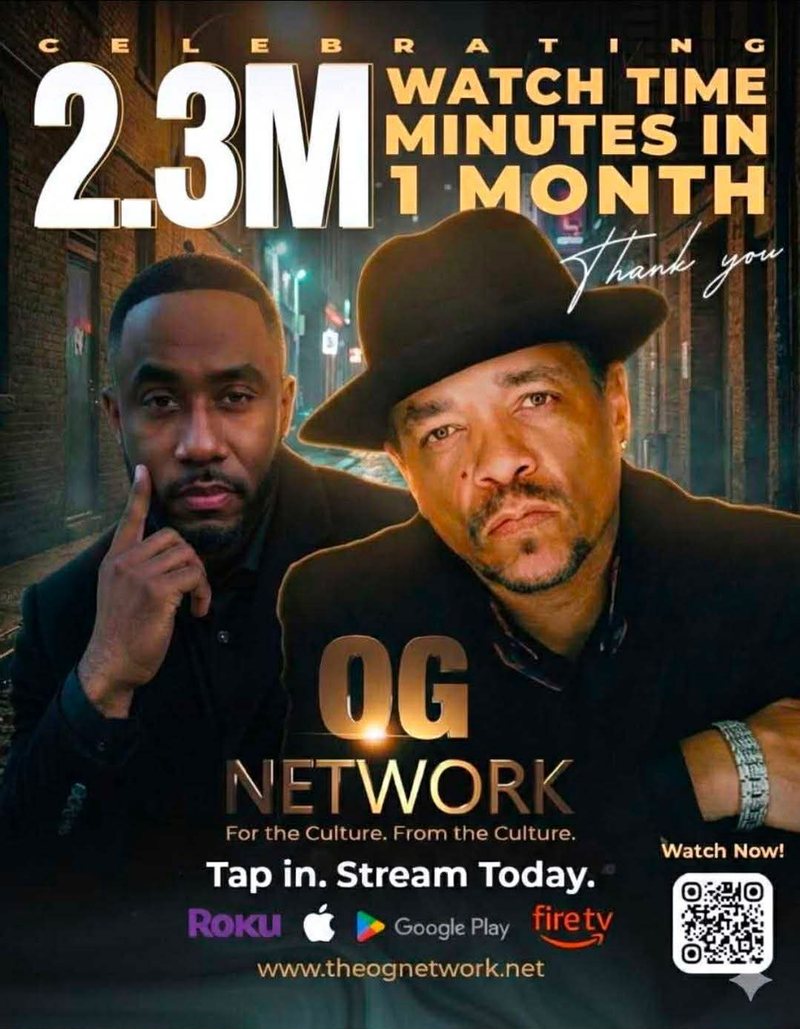
The next phase isn’t about expansion for its own sake. It’s about direction. OG Network isn’t signaling a rush to become everything to everyone; it’s signaling patience—adding depth before adding noise.
That vision shows up in how growth is framed. Instead of chasing constant launches or headline-grabbing deals, the emphasis is on building a library that holds value over time. Content that can be revisited. Stories that document culture rather than skim it. A catalog that functions as reference, not just entertainment.
Long-term thinking also means resisting dilution. As platforms scale, identity is often the first thing to blur. OG Network’s approach suggests the opposite: growth that reinforces purpose rather than stretching it thin. New projects aren’t meant to redefine the platform every quarter—they’re meant to deepen what’s already there.
If the early phase was about proving viability, this phase is about sustainability. Staying power doesn’t come from constant reinvention; it comes from clarity. And the clearest signal OG Network is sending is that it’s building something meant to last—quietly, intentionally, and on its own terms.
What This Shift Signals for the Culture
When a platform prioritizes control over clout, it changes the conversation beyond its own walls. What OG Network is signaling in this next phase isn’t just a business decision—it’s a cultural one. It suggests that visibility without ownership is no longer enough, and that sustainability matters more than momentary attention.
For a long time, urban media has been invited into spaces it didn’t control. Access was framed as progress, even when the terms stayed the same. This shift challenges that model. It asks a different question: What happens when the culture builds its own infrastructure instead of constantly adapting to someone else’s?
The implications are bigger than one network. Control creates leverage. Leverage changes negotiations. And negotiations shape what stories get told, how they’re framed, and who benefits when they succeed. When platforms stop chasing validation and start setting terms, the balance of power moves—slowly, but meaningfully.
Clout opens doors. It always has. But control determines who owns the building. OG Network’s next phase suggests a future where culture isn’t just present—it’s positioned. And that distinction may end up mattering more than any headline or viral moment ever could.
Now streaming — free
Everything in these posts is free to watch.
No subscription, no credit card. Classic Black cinema, hood classics, documentaries and OG Originals on every screen.
More from the blog
 Features
Inside The Longtable: Volume 1 — A Raw South Central Reckoning
Inside The Longtable: Volume 1 brings South Central voices face to face in a powerful, unscripted dialogue about accountability, division, and the…
Features
Inside The Longtable: Volume 1 — A Raw South Central Reckoning
Inside The Longtable: Volume 1 brings South Central voices face to face in a powerful, unscripted dialogue about accountability, division, and the…
 Features
Leprechaun in the Hood Is Ridiculous—and That’s Why It Still Gets Watched
Leprechaun in the Hood isn’t good—but it’s unforgettable. Here’s why the ridiculous cult classic still gets watched decades later.
Features
Leprechaun in the Hood Is Ridiculous—and That’s Why It Still Gets Watched
Leprechaun in the Hood isn’t good—but it’s unforgettable. Here’s why the ridiculous cult classic still gets watched decades later.
 Features
Goldie’s Code and Why The Mack Still Resonates Decades Later
Explore Goldie’s code in The Mack and why its portrayal of power, survival, and consequence still resonates in street cinema decades later.
Features
Goldie’s Code and Why The Mack Still Resonates Decades Later
Explore Goldie’s code in The Mack and why its portrayal of power, survival, and consequence still resonates in street cinema decades later.