Features
The New Power Players of Black Entertainment: Who’s Really Running the Game Now
The era of the Hollywood gatekeeper is over. Explore how a new wave of power players is building independent pipelines to control Black entertainment.
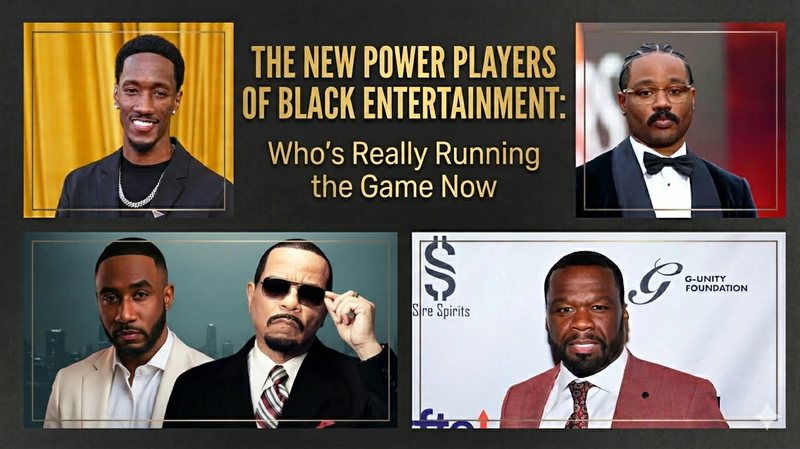
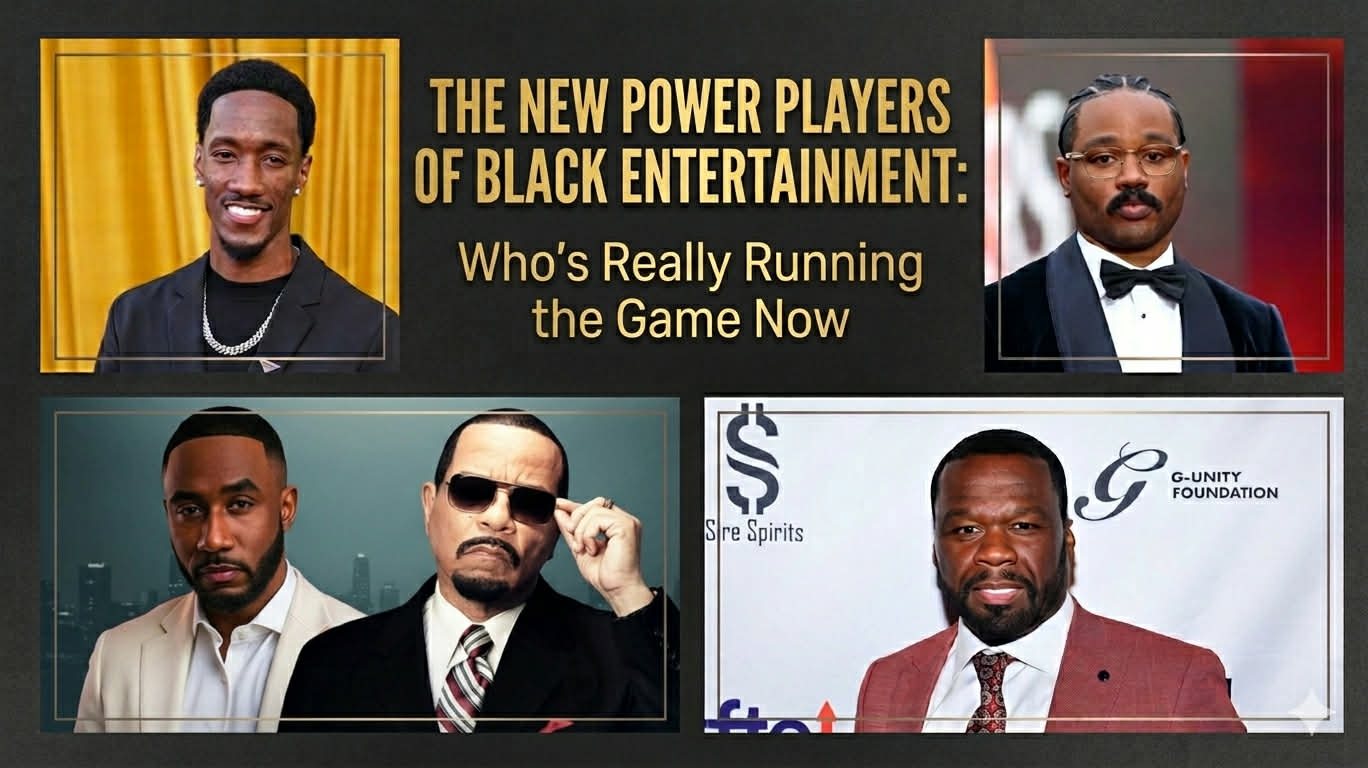
For decades, the story of Black entertainment was defined by an undeniable truth: Black creators supplied the talent, but traditional gatekeepers controlled the distribution, the intellectual property (IP), and the profits.
That dynamic is actively collapsing.
A new wave of visionary leaders is shifting the paradigm from mere visibility to absolute sovereignty.
They are no longer simply pitching content to networks; they are acquiring physical studios, launching proprietary tech platforms, building independent pipelines, and reshaping how Black stories are produced, distributed, and monetized on a global scale.
From Hollywood’s highest-grossing cinematic universes to disruptive independent streaming platforms, here are the architects engineering the next era of Black entertainment.
Ice-T & Courtney Richardson II: Engineering a Tech-Driven Pipeline
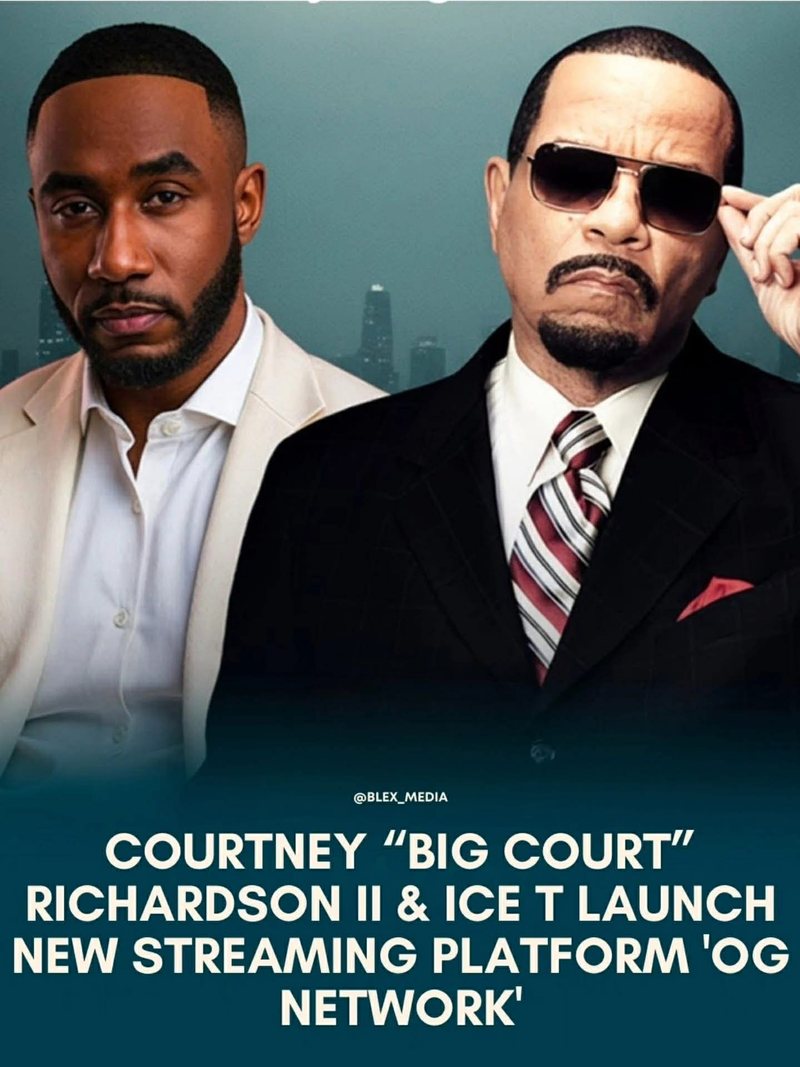
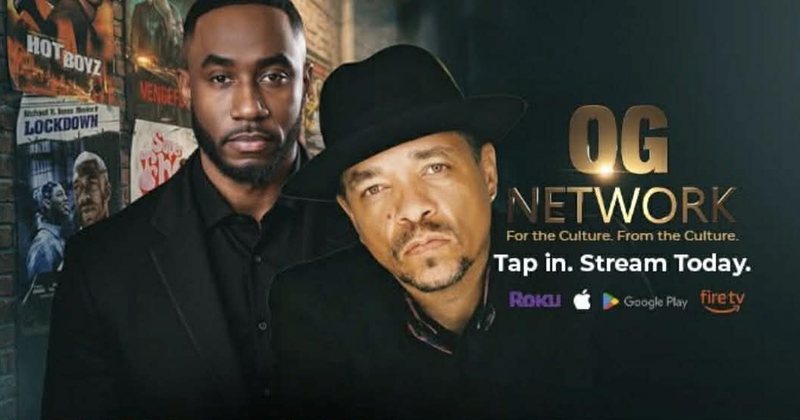
Ice-T is already a cultural institution—from pioneering West Coast gangsta rap to anchoring broadcast television on Law & Order: SVU for over two decades. However, his latest move alongside Courtney Richardson II represents a pivotal shift from cultural influence to infrastructural power through the OG Network.
While Ice-T brings unmatched legacy and global recognition, Richardson—widely known in the industry as "Big Court"—supplies the sharp executive acumen forged in some of hip-hop’s most legendary boardrooms.
Hailing from Kansas City, Richardson’s blueprint for independence was heavily influenced by his time working closely with Master P as the Vice President of No Limit Forever.
Transitioning from his early days as a rap artist to a savvy executive and real estate investor who built a multi-million dollar portfolio in his twenties, Richardson learned exactly how to bypass traditional gatekeepers, scale a brand, and maximize revenue.
Partnering up, Ice-T and Richardson are building a fully independent ecosystem. They are capitalizing on the explosion of OTT (Over-The-Top) media and FAST (Free Ad-supported Streaming TV) channels to bypass legacy network executives entirely.
Why it matters:
- Decentralized Distribution: By aggressively expanding across Roku, Apple TV, Google Play, and Amazon Fire TV, OG Network ensures its content is accessible on hundreds of millions of devices without needing traditional cable carriage deals.
- Creator Empowerment: Richardson and Ice-T are building a system that allows creators to tell authentic, unfiltered stories without the "cultural translation" often required by mainstream Hollywood studios.
- The Ultimate Goal: They aren't just distributing shows; they are capturing the viewer data, owning the ad revenue, and controlling the cultural narrative from end to end.
Ryan Coogler: Building IP and Global Cultural Equity
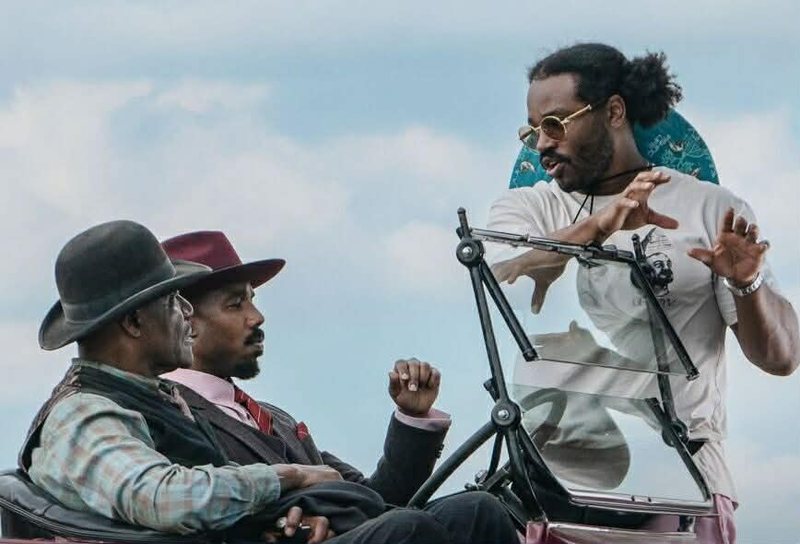
While independent platforms rise, Ryan Coogler is subverting the traditional studio system from the inside out.
From the indie breakout Fruitvale Station to the billion-dollar behemoth Black Panther, Coogler permanently shattered the long-standing Hollywood myth that Black stories do not travel internationally.
But his true power move isn't just directing massive blockbusters; it is his transition into an IP-generating powerhouse.
Through his multimedia company, Proximity Media, Coogler has transitioned from a hired-gun director to a kingmaker.
Why it matters:
- Cross-Platform Storytelling: Proximity isn’t limited to film; they are producing podcasts, television series, and documentaries, ensuring multiple revenue streams and broader cultural saturation.
- Championing New Voices: Coogler is actively leveraging his industry capital to greenlight projects for the next generation of storytellers (producing films like Judas and the Black Messiah), ensuring he builds a legacy pipeline of critically acclaimed Black cinema.
- Owning the Culture: By producing original IP and expanding massive universes, Coogler ensures that Black creatives maintain equity and creative control over their own cultural exports.
50 Cent: Infrastructure, Leverage, and Physical Ownership
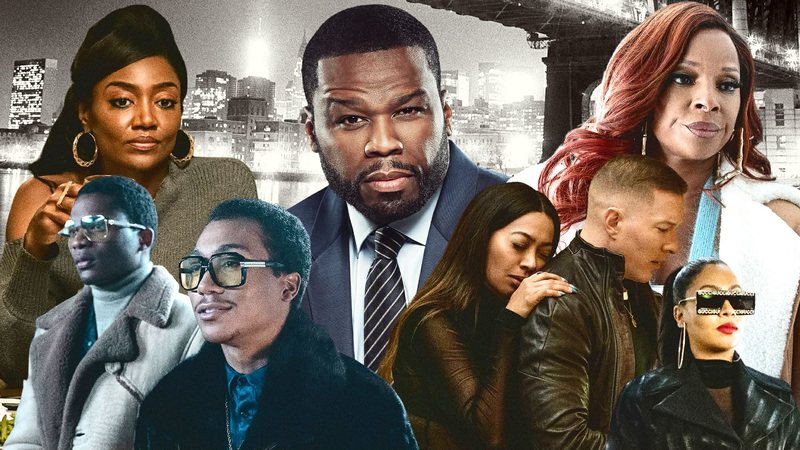
Few have mastered the ruthless business of entertainment quite like Curtis "50 Cent" Jackson.
What began with a single premium cable hit in Power has evolved into one of the most lucrative and expansive television empires of the modern era. Through G-Unit Film & Television, 50 Cent didn't just create a hit; he created a replicable, highly profitable franchise formula that dominated Starz's subscriber base for years.
But his most recent moves indicate a massive level-up from producer to mogul.
Why it matters:
- Physical Infrastructure: 50 Cent recently launched G-Unit Studios in Shreveport, Louisiana, taking over a massive, multi-acre production facility. He is no longer just renting studio space; he owns the physical real estate where the content is made.
- Ruthless Leverage: After proving his value by building an entire night of television programming, he has secured massive non-exclusive development deals, allowing him to shop his highly demanded content to the highest bidder across broadcast, cable, and streaming.
- Marketing Synergy: He uses his massive social media footprint and music background to market directly to his audience, bypassing traditional, expensive studio PR machines.
Lemuel Plummer: Dominating the Direct-to-Consumer Niche
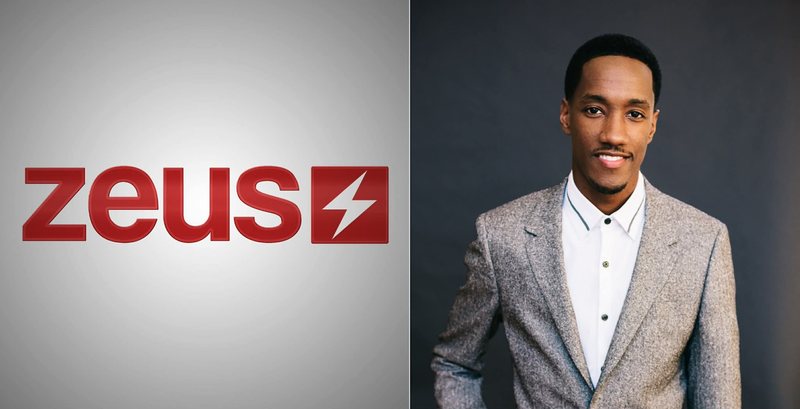
While legacy media scrambles to figure out streaming profitability, Lemuel Plummer is quietly printing money by breaking all the traditional rules.
As the founder and CEO of Zeus Network, Plummer identified a massive blind spot in mainstream media: unscripted, highly viral, personality-driven content tailored specifically to Black digital culture.
Zeus bypassed the traditional ad-buyer market—which often shies away from edgy or raw content—and went straight to the fans.
Why it matters:
- Subscription Sovereignty: By charging a direct monthly subscription, Zeus doesn't need to answer to advertisers, network censors, or Hollywood critics. They answer only to their paying audience.
- Monetizing the Creator Economy: Plummer realized that social media influencers and reality stars already had millions of deeply engaged followers. He simply provided a premium, paywalled home for their most dramatic and engaging content.
Cultural Agility: Unlike traditional networks that take years to greenlight and shoot a show, Zeus can identify a viral moment or personality, shoot a reality series, and have it streaming in a matter of months, keeping the platform perfectly synced with the speed of internet culture.
The Bigger Shift: From Talent to Ownership
What connects Ice-T, Courtney Richardson II, Ryan Coogler, 50 Cent, and Lemuel Plummer is not just their success—it is their unified strategy.
- OG Network is building tech-driven distribution.
- Proximity Media is elevating storytelling and IP ownership at the Oscar-winning level.
- G-Unit Studios is securing physical production infrastructure and franchise leverage.
Zeus Network is proving the unmatched financial power of direct-to-consumer media.
They occupy entirely different lanes, yet they are driving toward the exact same destination: Control.
This is no longer about begging for a green light, hoping for a favorable contract, or waiting for systemic change. It is about actively engineering an ecosystem where those opportunities are built-in from the ground up.
The Final Take: The era of the Hollywood gatekeeper dictating Black art is drawing to a close. Black entertainment has evolved past the fight for mere visibility. Today, the true power lies in infrastructure, ownership, and long-term equity. The people running the game now aren't just the faces on the screen—they are the ones owning the network, writing the checks, and building the studios.
Now streaming — free
Everything in these posts is free to watch.
No subscription, no credit card. Classic Black cinema, hood classics, documentaries and OG Originals on every screen.
More from the blog
 Features
How The OG Network Began: Built to Protect the Culture and Create Something We Own
Some brands are created in boardrooms. Others are built from lived experience, frustration, vision, and a refusal to keep watching from the…
Features
How The OG Network Began: Built to Protect the Culture and Create Something We Own
Some brands are created in boardrooms. Others are built from lived experience, frustration, vision, and a refusal to keep watching from the…
 Features
Vengeful Review – A Powerful Crime Drama About Justice and Revenge
Vengeful follows a wrongfully convicted man whose release leads to anger, isolation, and revenge. A gripping crime drama now streaming on OG Network.
Features
Vengeful Review – A Powerful Crime Drama About Justice and Revenge
Vengeful follows a wrongfully convicted man whose release leads to anger, isolation, and revenge. A gripping crime drama now streaming on OG Network.
 Features
Inside The Longtable: Volume 1 — A Raw South Central Reckoning
Inside The Longtable: Volume 1 brings South Central voices face to face in a powerful, unscripted dialogue about accountability, division, and the…
Features
Inside The Longtable: Volume 1 — A Raw South Central Reckoning
Inside The Longtable: Volume 1 brings South Central voices face to face in a powerful, unscripted dialogue about accountability, division, and the…