
Features
Goldie’s Code and Why The Mack Still Resonates Decades Later
Explore Goldie’s code in The Mack and why its portrayal of power, survival, and consequence still resonates in street cinema decades later.
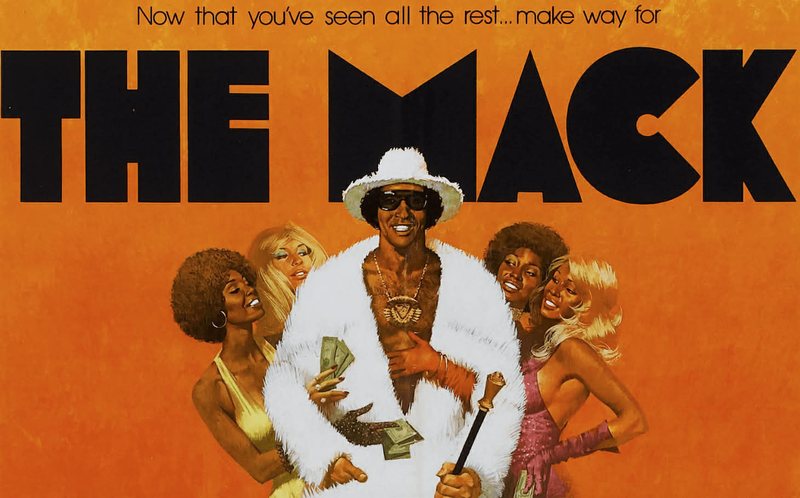
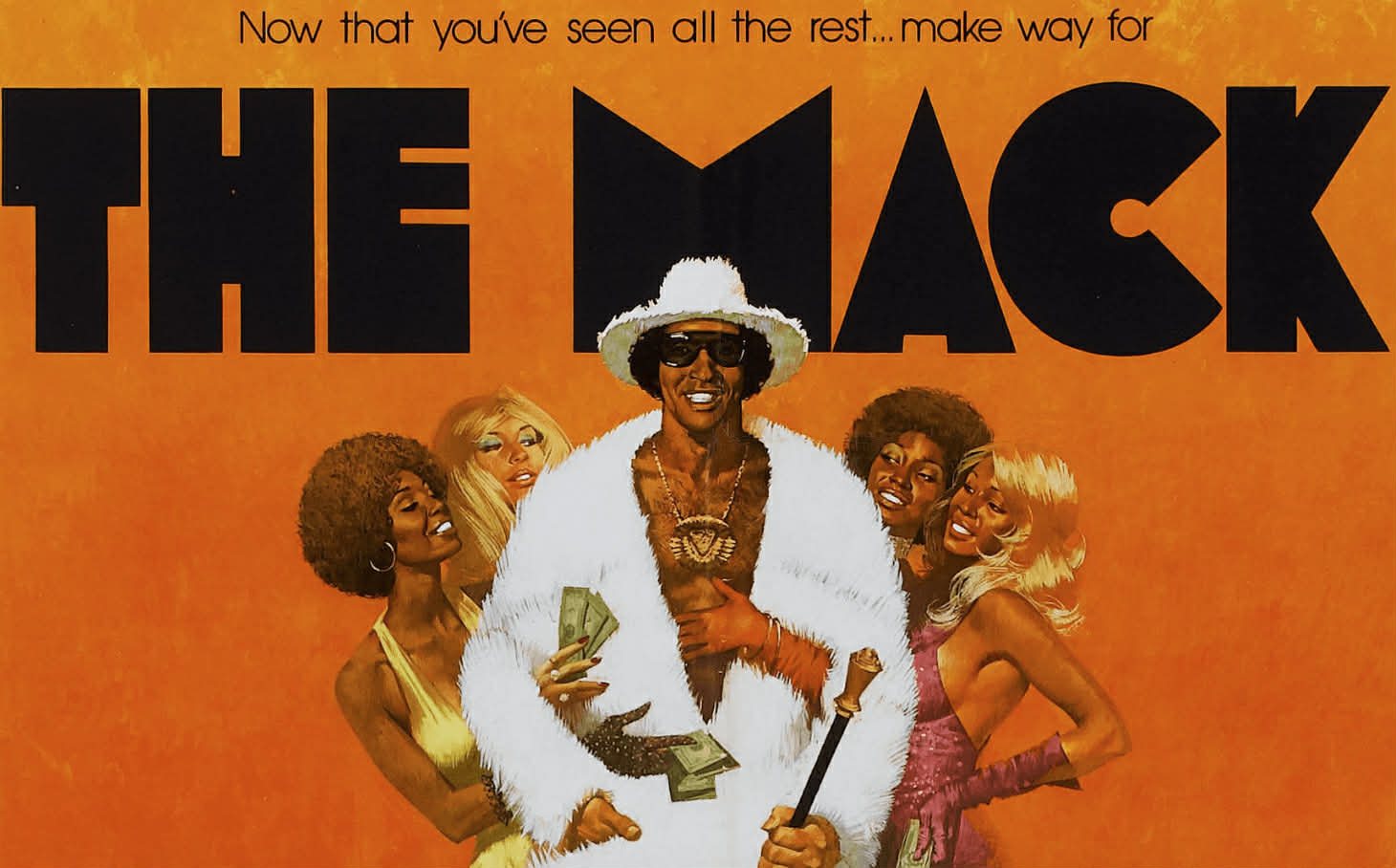
Some characters don’t last because they’re likable—they last because they’re understood. Goldie, the central figure in The Mack, is one of those characters. Decades after the film’s release, audiences still recognize him not as a hero or a cautionary tale, but as a man operating by a code shaped by pressure, limitation, and survival.
At a glance, The Mack is often remembered for its surface—style, swagger, and the imagery that defined an era. But underneath that image is a sharper story about power: how it’s built, how it’s maintained, and what it costs. Goldie’s choices aren’t framed as fantasies; they’re responses to a system that offers few clean options and no guarantees.
This article looks at Goldie’s code—the rules he lives by—and why they continue to resonate long after the film’s era has passed. Not because the world stayed the same, but because the dynamics the film captured still exist. Understanding Goldie isn’t about admiration. It’s about recognizing how people construct order when institutions fail them—and why that struggle remains familiar today.
Goldie as a Street Archetype, Not a Hero
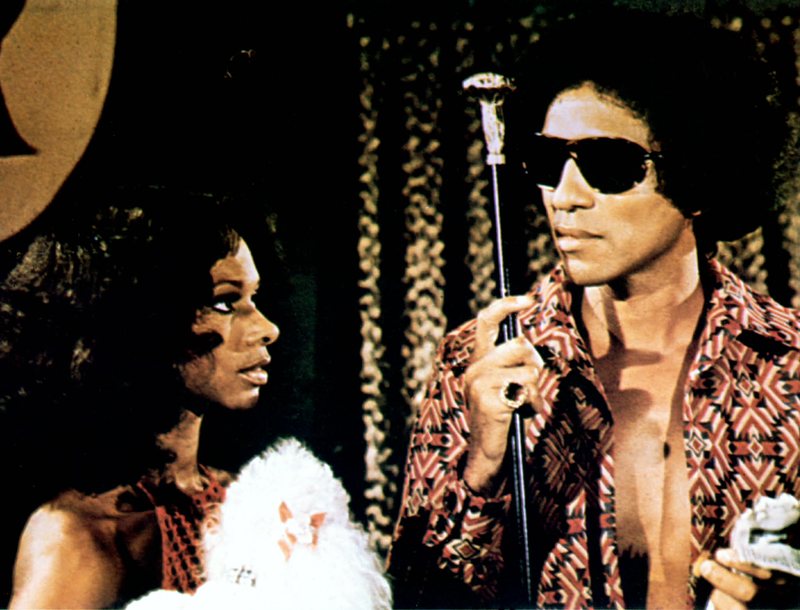
From the moment Goldie steps into The Mack, the movie makes something clear without spelling it out: this isn’t a hero’s journey. Goldie isn’t presented as a figure to aspire to or root for in a traditional sense. He’s a street archetype—a man shaped by environment, pressure, and a set of rules that exist outside polite society.
What draws audiences to Goldie isn’t morality, it’s clarity. He understands the world he’s operating in and accepts it on its own terms. There’s no confusion about the cost of power or the risks attached to it. He moves with intention, not impulse. That awareness separates him from characters who stumble into street life blindly and then act surprised by the consequences.
This is where the film’s staying power begins. Viewers don’t connect to Goldie because he’s “right.” They connect because he’s legible. His motivations make sense within the system he’s navigating. In a lot of ways, he represents a type of figure audiences have seen—and still see—over and over again: someone who builds a personal code when mainstream structures offer no protection or opportunity.
By framing Goldie this way, The Mack avoids turning him into a fantasy. He’s not chaos in motion, and he’s not a moral lesson wrapped in a character. He’s a study in how people adapt to environments where power is the only real currency. That’s why the character still resonates decades later—not as a role model, but as a recognizable figure shaped by rules that haven’t disappeared.
What “Goldie’s Code” Really Means
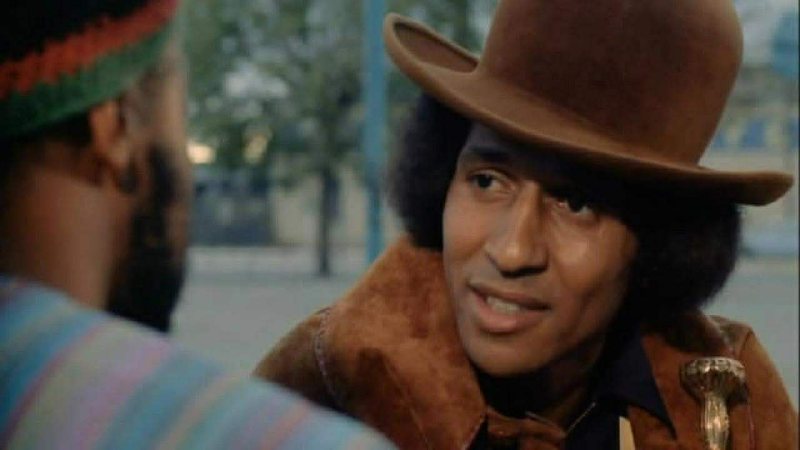
When people talk about Goldie, they often focus on the look—the fur coats, the Cadillac, the confidence. But none of that matters without the code underneath it. Goldie isn’t moving randomly. He’s operating by a set of rules that guide how he makes decisions, who he trusts, and where he draws lines.
Goldie’s code is built on control and self-preservation. Loyalty matters, but only as far as it protects position. Respect isn’t requested—it’s enforced through consistency. Emotion is kept in check because hesitation creates vulnerability. In an environment where institutions don’t offer safety or fairness, a personal code becomes a survival tool.
That’s what makes the character resonate. Goldie isn’t pretending the system is just or temporary. He accepts it as reality and adapts accordingly. His code replaces things that don’t exist for him—security, opportunity, protection. It gives him structure in a world that doesn’t provide one.
This is also where the film stays honest. The code doesn’t make Goldie noble. It makes him functional. It allows him to move with intention rather than chaos, but it doesn’t erase the harm tied to the choices he makes. The code explains his behavior—it doesn’t excuse it.
Decades later, audiences still recognize this dynamic because codes like Goldie’s haven’t disappeared. They show up anytime people are forced to create rules of their own because the larger system doesn’t work for them. That recognition—not approval—is why Goldie’s code continues to feel relevant long after the era that produced it.
Power as Image, Not Just Action
One of the smartest things The Mack understood early is that power doesn’t always announce itself through violence or volume. Sometimes it shows up first as image.
Goldie’s appearance isn’t decoration—it’s communication. The clothes, the car, the way he occupies space all signal authority before he ever has to assert it. In street ecosystems, image establishes rank. It tells people how to treat you, what to expect from you, and how far they can push. Goldie’s look isn’t about flash; it’s about presence.
Modern street films still borrow this language. Long before a character makes a decisive move, the camera tells you who they are through posture, silence, and framing. The Mack helped set that template. Power is shown, not explained. Respect is implied, not negotiated.
What’s important is that the image works because it’s backed by consistency. Goldie’s look would mean nothing if his actions contradicted it. Image without follow-through collapses quickly in environments where credibility is constantly tested. The film understands that balance, which is why the character feels grounded rather than theatrical.
This approach to power—where image and action reinforce each other—is a big reason the film still resonates. Even as styles change, the idea remains the same: in spaces where authority isn’t granted, it has to be projected and maintained. The Mack captured that reality early, and street cinema has been speaking that language ever since.
Survival Without Illusions
What separates Goldie from a lot of later street characters is that he doesn’t lie to himself. In The Mack, there’s no fantasy that the life is clean, fair, or forgiving. Goldie understands exactly what he’s involved in—and what it costs.
That awareness shapes how he moves. He doesn’t confuse confidence with safety or success with permanence. Every decision is made with the understanding that power is temporary and mistakes are expensive. There’s no wide-eyed belief that things will work out just because he wants them to. Survival, in this world, requires calculation.
This is where the film stays grounded. Goldie isn’t reckless, and he isn’t romantic about the consequences. He knows the rules are unforgiving and that the margin for error is thin. That realism gives the character weight. He’s not chasing a dream—he’s managing risk.
Audiences still respond to this because it feels honest. Even decades later, stories resonate more when characters understand the terrain they’re standing on. The Mack doesn’t sell illusions about the street; it presents a character who survives precisely because he doesn’t believe in them.
Why Audiences Still Respond to Goldie
Goldie continues to resonate because he represents something audiences recognize, even if they don’t admire it. He’s a character built on intention. Every move has a reason. Every decision follows a logic. In a genre where chaos is often mistaken for authenticity, that clarity stands out.
Viewers connect to Goldie not because of what he does, but because of how he understands his world. He isn’t surprised by betrayal, pressure, or consequence. He anticipates them. That level of awareness creates trust between the character and the audience. You may not agree with his choices, but you understand why he makes them.
There’s also something enduring about characters who operate by a code in environments that feel unstable. Codes suggest structure where none exists. They imply discipline in places defined by risk. That appeal hasn’t faded, especially in moments when systems feel unreliable and people are forced to rely on their own rules.
The Mack taps into that recognition. Goldie isn’t presented as exceptional—he’s presented as functional. And that’s why the character still lands decades later. He reflects a type of figure people have seen before and continue to see now, navigating pressure with purpose rather than illusion.
The Line Between Code and Consequence
Goldie’s code gives him structure, but The Mack never pretends that structure comes without cost. The same rules that help him move efficiently through his world also narrow his options. A code can protect you—but it can also trap you.
This is where the film stays honest. Goldie’s discipline keeps chaos at bay, yet it demands constant enforcement. Relationships become conditional. Trust is limited. Vulnerability is treated as liability. The code works, but it works by hardening the edges of everything around it. That tension is the price of control.
What makes this resonate is that the movie doesn’t frame consequence as punishment—it frames it as inevitability. Living by a code doesn’t cancel out impact; it concentrates it. Every choice carries weight because the margin for deviation is slim. When lines are crossed, the fallout isn’t surprising—it’s built in.
That clarity is why the character endures. Goldie isn’t protected by his code from outcomes; he’s defined by how he accepts them. The Mack understands that rules don’t erase harm—they organize it. And that understanding keeps the film grounded, resisting fantasy while acknowledging the reality of living by rules you create when no one else is writing them for you.
Why The Mack Still Holds Cultural Weight
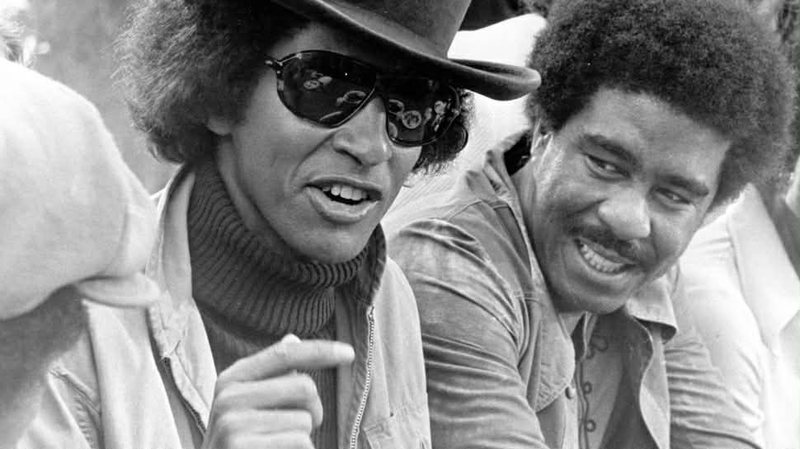
Decades later, The Mack hasn’t survived because of nostalgia—it’s lasted because the questions it raised never fully went away. The film understood something early that street cinema still grapples with: power isn’t just about action, it’s about systems, perception, and the rules people create when formal structures fail them.
Goldie’s code functions as a lens, not a lesson. The movie doesn’t tell audiences how to feel about him; it shows what it looks like when someone builds order in a chaotic environment and lives with the consequences of that choice. That restraint gives the film durability. It doesn’t age into parody or fantasy because it was never selling illusion to begin with.
As styles, cities, and eras change, the core dynamics remain familiar. People still navigate spaces where authority is uneven, opportunity is limited, and personal codes fill the gaps. That’s why Goldie continues to register—not as a role model, but as a reference point.
The Mack holds cultural weight because it trusted the audience to recognize complexity without explanation. It didn’t flatten its character into a symbol or elevate him into myth. It let him exist as a product of pressure, intention, and consequence. And that honesty—quiet, uncomfortable, and unsentimental—is what keeps the film relevant long after the era that produced it.
Now streaming — free
Everything in these posts is free to watch.
No subscription, no credit card. Classic Black cinema, hood classics, documentaries and OG Originals on every screen.
More from the blog
 Features
Leprechaun in the Hood Is Ridiculous—and That’s Why It Still Gets Watched
Leprechaun in the Hood isn’t good—but it’s unforgettable. Here’s why the ridiculous cult classic still gets watched decades later.
Features
Leprechaun in the Hood Is Ridiculous—and That’s Why It Still Gets Watched
Leprechaun in the Hood isn’t good—but it’s unforgettable. Here’s why the ridiculous cult classic still gets watched decades later.
 Features
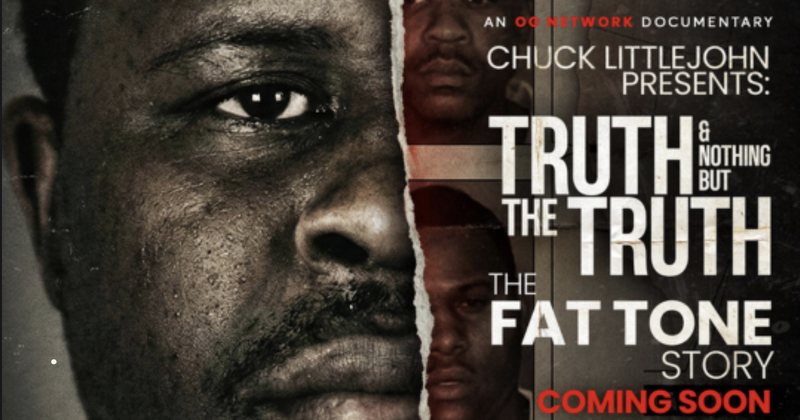
The Fat Tone Story: Power, Beef, and the Truth Kansas City Lived With
This documentary explores Fat Tone’s rise, the pressure around power, and why Kansas City carried the truth quietly for years.
Features
The Fat Tone Story: Power, Beef, and the Truth Kansas City Lived With
This documentary explores Fat Tone’s rise, the pressure around power, and why Kansas City carried the truth quietly for years.
 Features
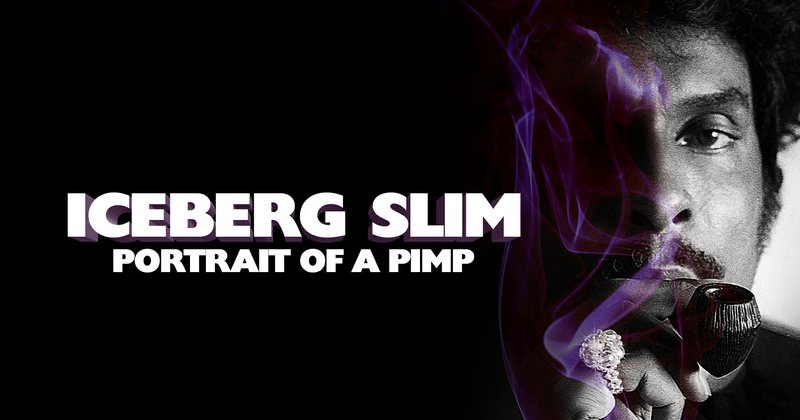
Iceberg Slim’s Second Life: From the Streets to the Birth of Street Lit
Explore how Iceberg Slim: Portrait of a Pimp traces Iceberg Slim’s journey from the streets to author of groundbreaking books that helped create…
Features
Iceberg Slim’s Second Life: From the Streets to the Birth of Street Lit
Explore how Iceberg Slim: Portrait of a Pimp traces Iceberg Slim’s journey from the streets to author of groundbreaking books that helped create…